Have you experienced something distressing or overwhelming that continues to affect your life? Perhaps you're struggling with anxiety, difficult emotions, relationship problems or memories of experiences that happened a long time ago.
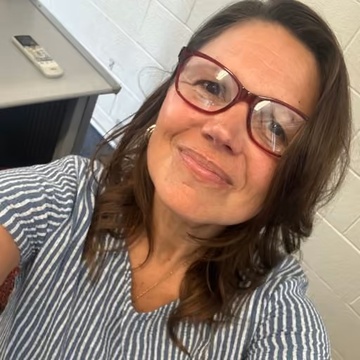
I'm Angela, an experienced counsellor offering individual trauma counselling in Paraparaumu Beach, on the Kāpiti Coast.
I provide a warm, respectful and non-judgemental space where you can explore difficult experiences, develop greater understanding of yourself and consider ways to move forward.
My approach is client-centred and strengths-based, recognising that everyone responds to difficult experiences differently and brings their own strengths and resources to the counselling process.
Understanding trauma and its effects
Trauma can arise following an experience or series of experiences that leave you feeling frightened, powerless, unsafe or overwhelmed.
Sometimes trauma is connected to a particular event, such as an accident, assault, sudden loss or frightening experience.
At other times, it may develop through ongoing circumstances, including difficult relationships, emotional abuse, neglect or prolonged periods of stress.
The impact of trauma isn't always immediately apparent. Some people experience difficulties soon afterwards, while others may begin recognising the effects much later.
You may notice:
- Anxiety and fear – feeling constantly worried, tense or on edge
- Difficult memories – unwanted thoughts, memories or reminders of past experiences
- Emotional overwhelm – struggling with intense feelings or finding it difficult to manage emotional reactions
- Avoidance – staying away from situations, conversations or places that remind you of difficult experiences
- Low self-esteem – experiencing shame, guilt or negative beliefs about yourself
- Relationship difficulties – struggling with trust, closeness or personal boundaries
- Feeling disconnected – experiencing emotional numbness or feeling distant from yourself or others
- Sleep difficulties – finding it hard to relax, fall asleep or feel properly rested
- Physical tension – noticing restlessness, muscle tension or other physical responses to stress
Everyone experiences trauma differently. You don't need to compare your experiences with those of others to recognise that something has affected you.
How past experiences can influence your present life
Difficult experiences can sometimes influence how we see ourselves, other people and the world around us.
Perhaps you've become particularly sensitive to criticism, find it difficult to trust others or frequently anticipate that something will go wrong.
You may struggle with feelings of guilt or responsibility, even when circumstances were beyond your control.
Sometimes people develop ways of coping that helped them manage difficult situations in the past but no longer serve them well.
For example, you might avoid conflict, withdraw from relationships, put other people's needs ahead of your own or try to maintain control over situations to feel safer.
In counselling, we can explore these patterns and consider how earlier experiences may be influencing your thoughts, emotions and choices today.
Developing greater self-understanding can help you recognise possibilities for responding differently.
Trauma, relationships and personal boundaries
Trauma can affect how we connect with other people.
You may find it difficult to feel safe in close relationships, express your needs or trust that others will respect your boundaries.
Perhaps you regularly put other people's feelings ahead of your own, worry about rejection or find yourself taking excessive responsibility for someone else's wellbeing.
These patterns can sometimes overlap with co-dependency, particularly when you have experienced unpredictable or emotionally demanding relationships.
My experience in addiction and co-dependency counselling has given me an understanding of how difficult relationship dynamics can affect emotional wellbeing.
Together, we can explore how your experiences may have shaped your relationships, what you need to feel respected and supported, and how you might develop healthier personal boundaries.
Trauma and coping behaviours
When people experience difficult emotions or memories, they sometimes develop ways of coping that provide temporary relief.
These may include withdrawing from others, avoiding certain situations, keeping constantly busy or relying on alcohol or drugs to manage distress.
Although these responses may help in the short term, some can create additional difficulties over time.
Through my previous work in mental health and addiction services, including Care NZ, I gained experience supporting people whose substance use and emotional difficulties were affecting their lives.
I recognise that coping behaviours often develop in response to difficult circumstances and that understanding their purpose can be an important part of exploring change.
In counselling, we can consider how you currently manage distress, whether certain patterns are contributing to ongoing difficulties and what other forms of support might be helpful.
The focus is on understanding your experiences rather than judging the ways you've coped.
Exploring difficult experiences at your own pace
Talking about painful experiences can feel daunting.
Perhaps you're uncertain where to begin, worried about becoming overwhelmed or unsure whether you're ready to discuss particular memories.
I believe that counselling should respect your individual circumstances and comfort.
You don't have to describe every detail of a difficult experience to begin exploring how it has affected you.
Sometimes the most helpful starting point is understanding what you're struggling with in the present, recognising your emotional responses and identifying what you need to feel more supported.
We can work together at a pace that feels appropriate for you.
My aim is to provide an environment where you feel heard, respected and able to make choices about what you would like to explore.
My approach to trauma counselling
At the heart of my counselling practice is a genuine care for people and a belief in their ability to overcome difficulties.
I recognise that seeking support can involve considerable vulnerability, particularly when your experiences have affected your sense of safety or trust.
My approach is client-centred, solution-focused and strengths-based, informed by cognitive behavioural theory.
I work collaboratively with clients, recognising that each person brings their own history, circumstances, strengths and hopes for the future.
Sometimes our conversations may focus on understanding emotions and recurring patterns. At other times, we may explore practical ways of managing everyday challenges, building confidence or developing healthier relationships.
I aim to provide support without placing pressure on you to revisit experiences before you feel ready.
Trauma can sometimes require specialised treatment or additional mental health support. Where appropriate, we can discuss whether another professional or service may be helpful alongside or instead of counselling.
Trauma counselling in Paraparaumu – Kāpiti Coast
I offer face-to-face individual counselling at my practice in Paraparaumu Beach.
I welcome clients from Paraparaumu, Raumati Beach, Raumati South, Waikanae, Ōtaki, Paekākāriki and the wider Kāpiti Coast region, as well as Levin and surrounding communities.
Online counselling is also available for people who prefer to attend remotely.
Whether you're struggling with the effects of a recent event or experiences from much earlier in your life, you're welcome to get in touch.
You don't need to have a formal trauma diagnosis to seek counselling.
Would you like to know more or make an appointment? Please feel free to contact me.
Angela
Counsellor
Registered Practitioner – DAPAANZ